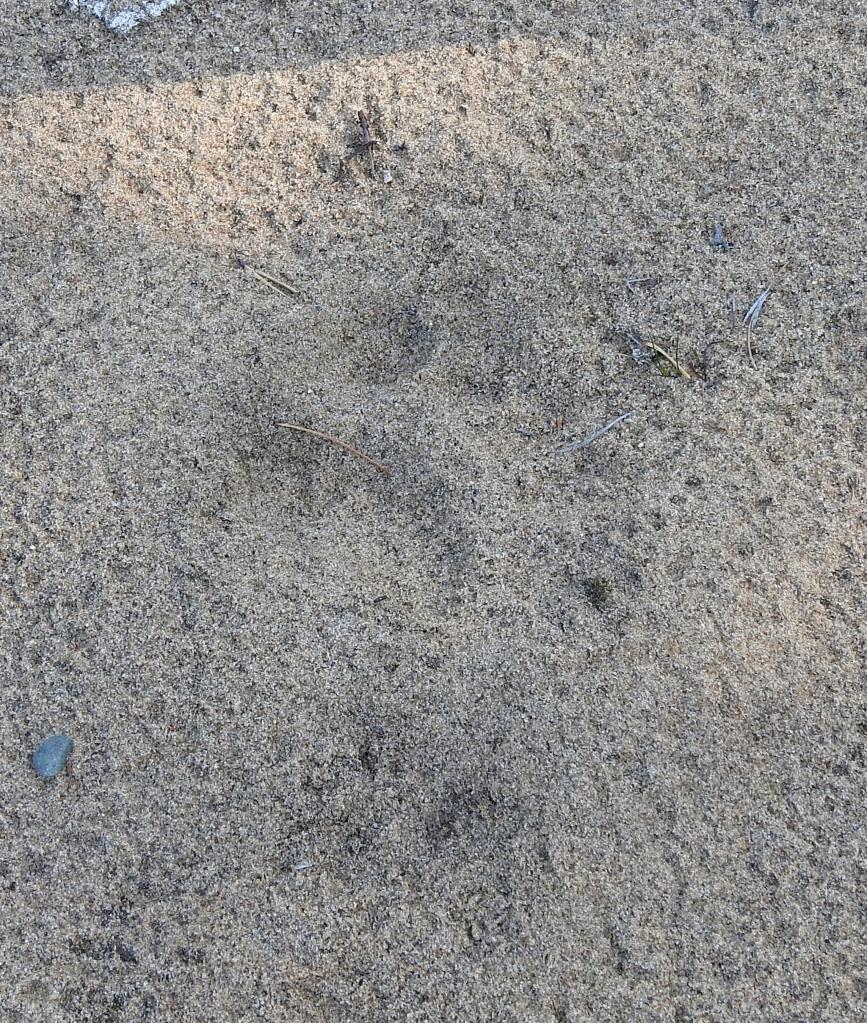
Finding the tracks of a black bear on our dune close to the cabin is always a treat. And that’s how our day started.
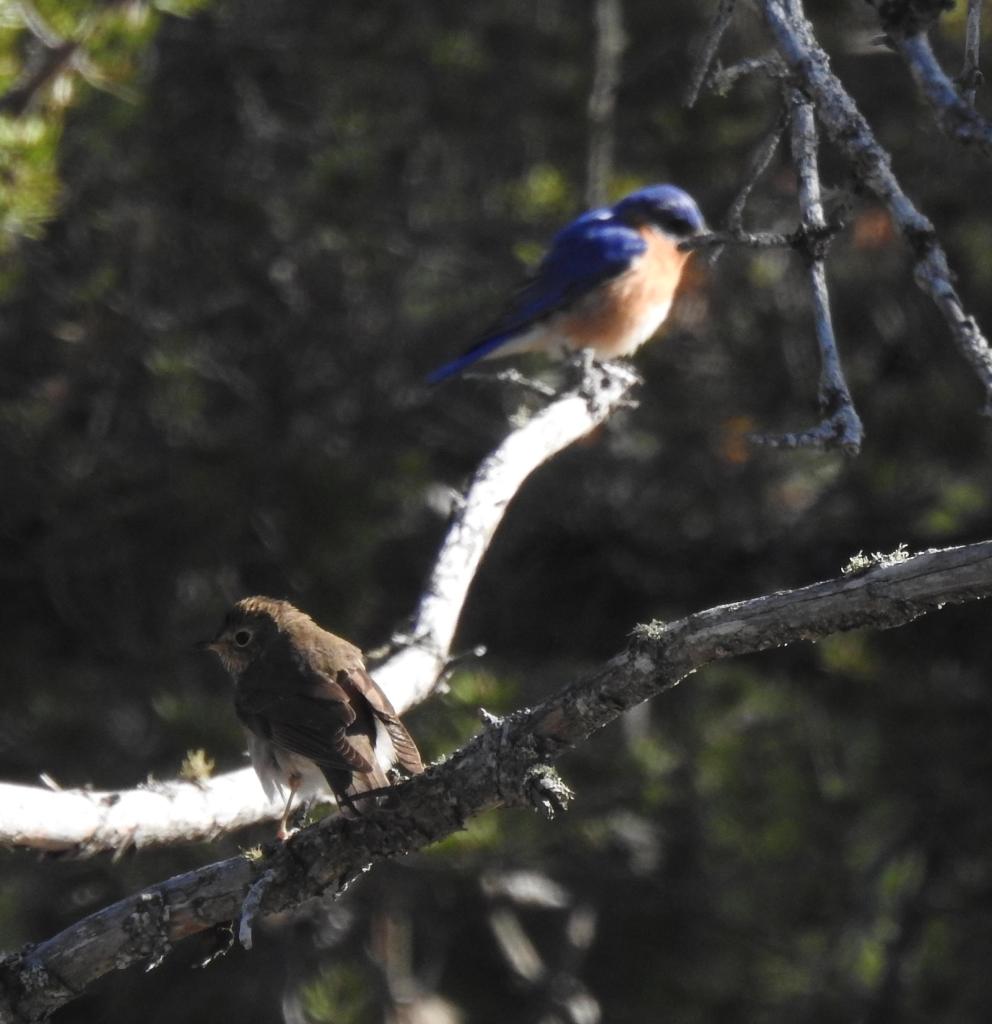
The road to the Whitefish Point was full of thrushes and warblers. This Eastern Bluebird was joined on the branch by a Swainson’s Thrush.

A big treat and rare sighting here was a Least Chipmunk. These were once more common before Pine Martins appeared. One they were cleared our Eastern Chipmunks moved in and are now the dominant chipmunk here.
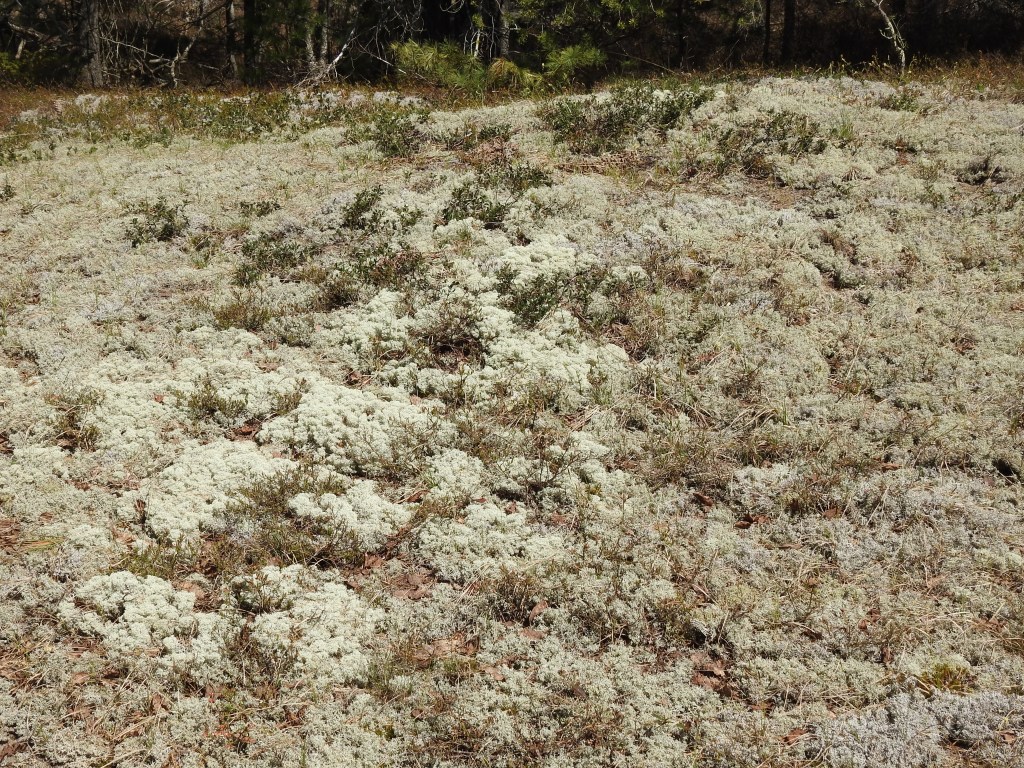

The left photo shows some the diversity in the reindeer lichens covering the sandy dunes here. The right photo is Clidina stellaris, my personal favorite Clidina.

Tige beetles are common on the dunes and sandy roads here.
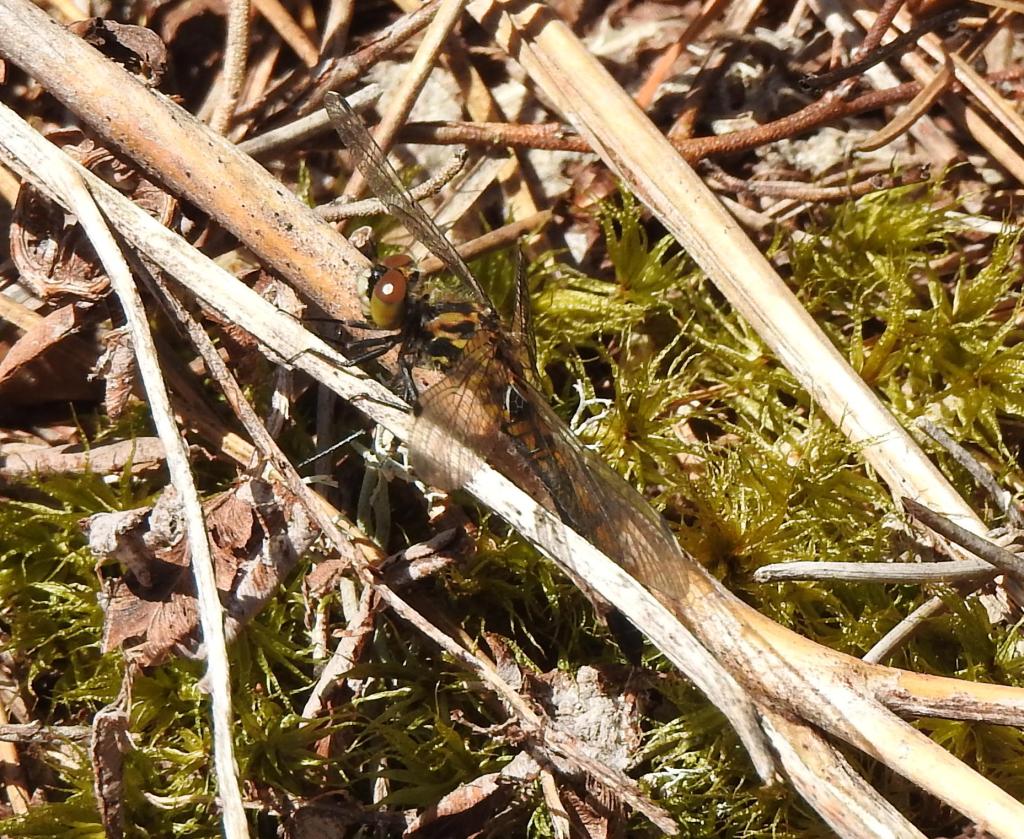
This is a Hudsonian whiteface (Leucorrhinia hudsonica) one of the first dragonflies to appear in the spring.

This is one of the few times of the year when Whimbrel are a common migrant. These two were part of a flock of 14 on the beach.
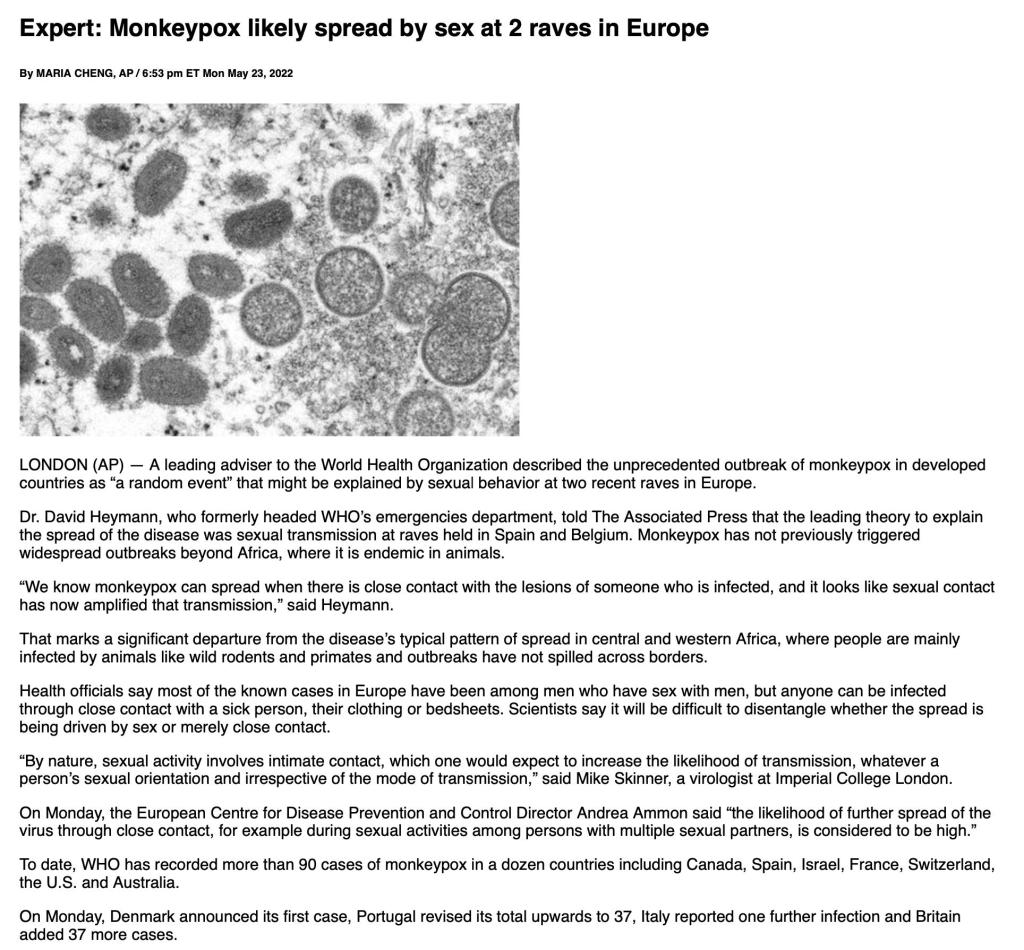
The current status of the Monkeypox epidemic seems to have started at two events in Europe. Basically, unless you have any physical contact with somebody with the disease there is little chance of getting it. Once again, medical staff are most as risk of getting the virus by working with patients who have the disease.
More tomorrow…
 Michael's Place