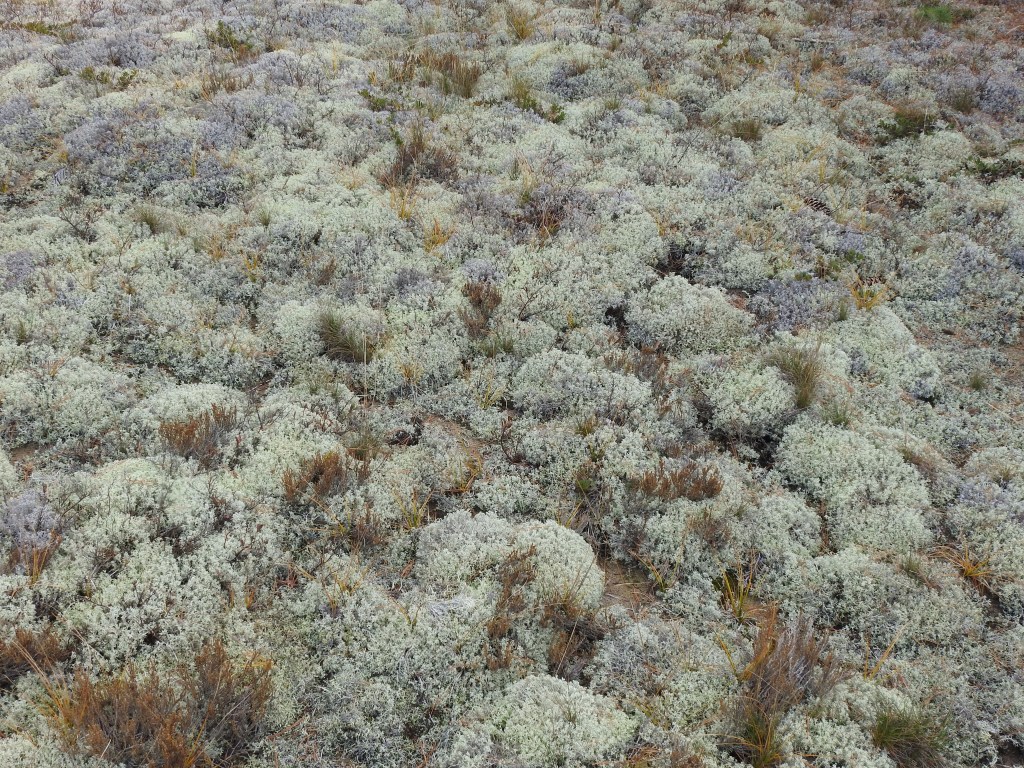
A 3×3 m patch of reindeer lichens on the sand near our cabin at Whitefish Point. This is what much of the open area of our property looks like. The is some scattered false dune heather among the lichens. The reindeer lichens are in the genus Cladina. In this picture green reindeer lichen (Cladina mitis) and gray reindeer lichen (Cladina rangifera) can be seen (they dominate the lichens on sandy soils), but there is also sand-loving reindeer lichen (Cladina arbrucola) which can very difficult to distinguish from the gray, and not possible in this photo. A fourth Cladina not seen in this picture is Cladina stellaris, star-tipped reindeer lichen, the least common and perhaps most beautiful of the genus.
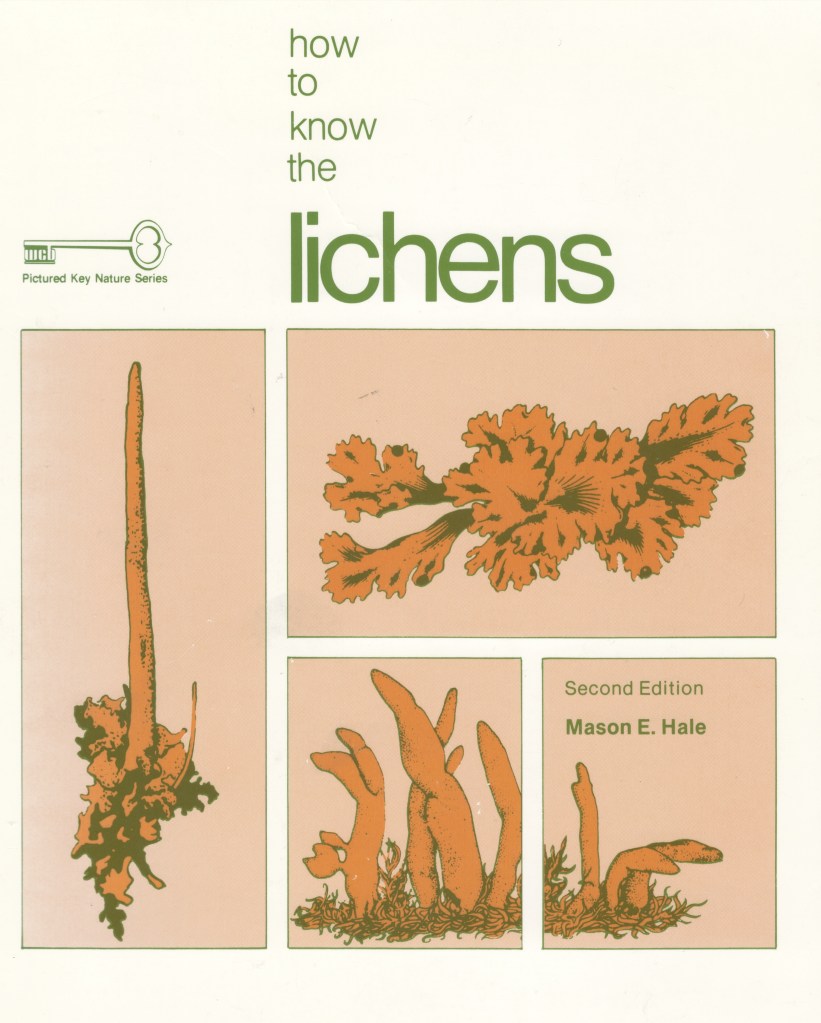
As I had said in an earlier post, my go to book for identifying lichens is Lichens of North America (which is actually heavier than I thought, over 3.6 kg, or 8+ pounds). But many years ago I started with the spiral bound how to know the lichens. This book is entirely black-and-white line drawings, but filled with keys. As a scientist I love dichotomous keys.
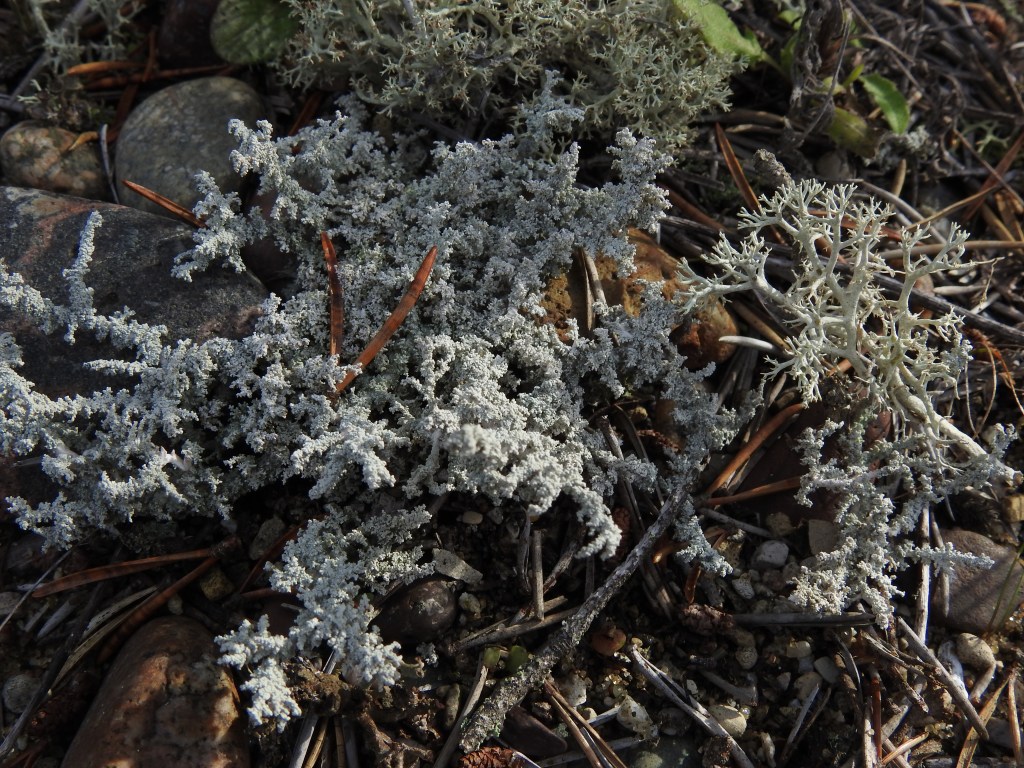
The above lichen is Stereocaulon saxitale, a rather uncommon lichen that occurs on sandy soils.
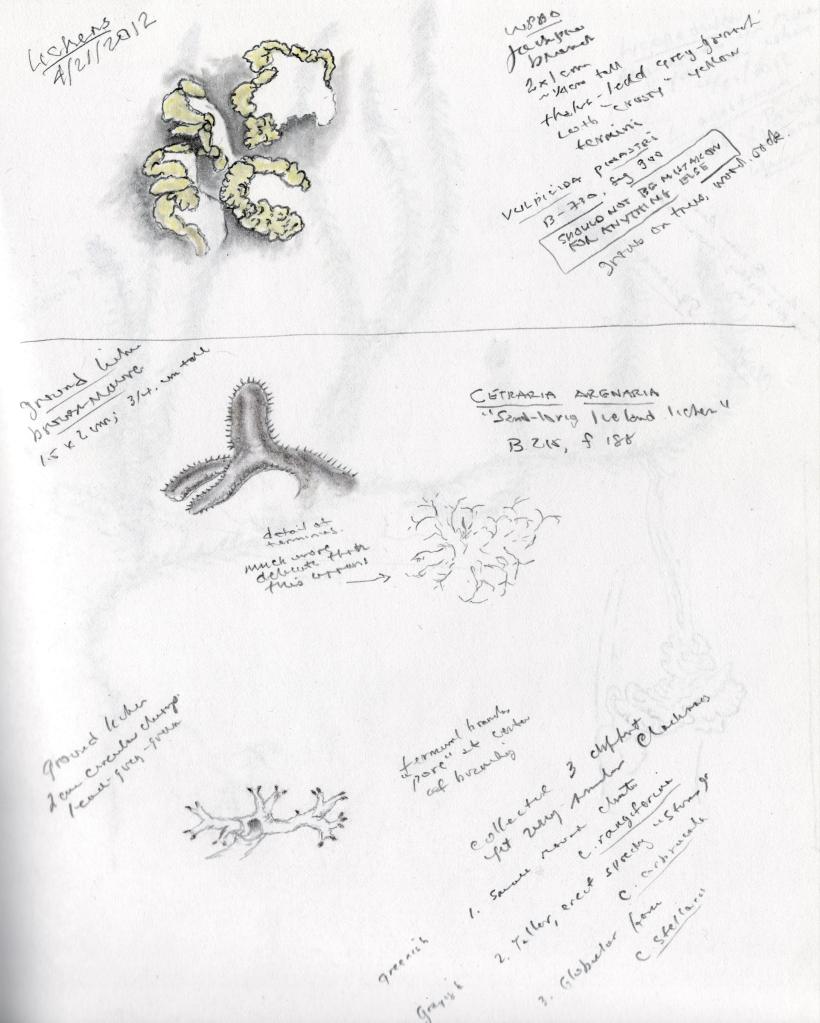
In trying to learn what lichens occurred on our property I started keep an illustrated natural history journal. It started with lichens, then went on to mosses and finally willows that occurred nearby.
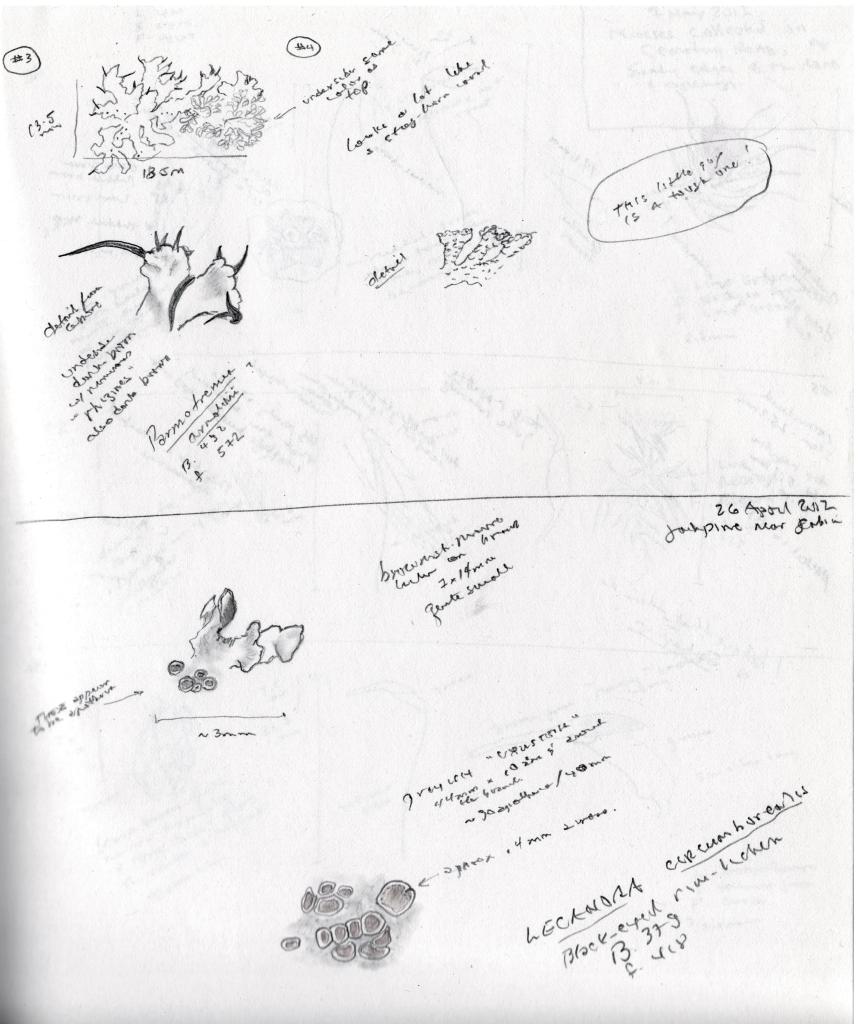
Typically when I used lichens for drawing I would look at them using a dissecting scope, thus magnifying them some 10 times. This allowed me to see greater detail than possible with the eye alone.
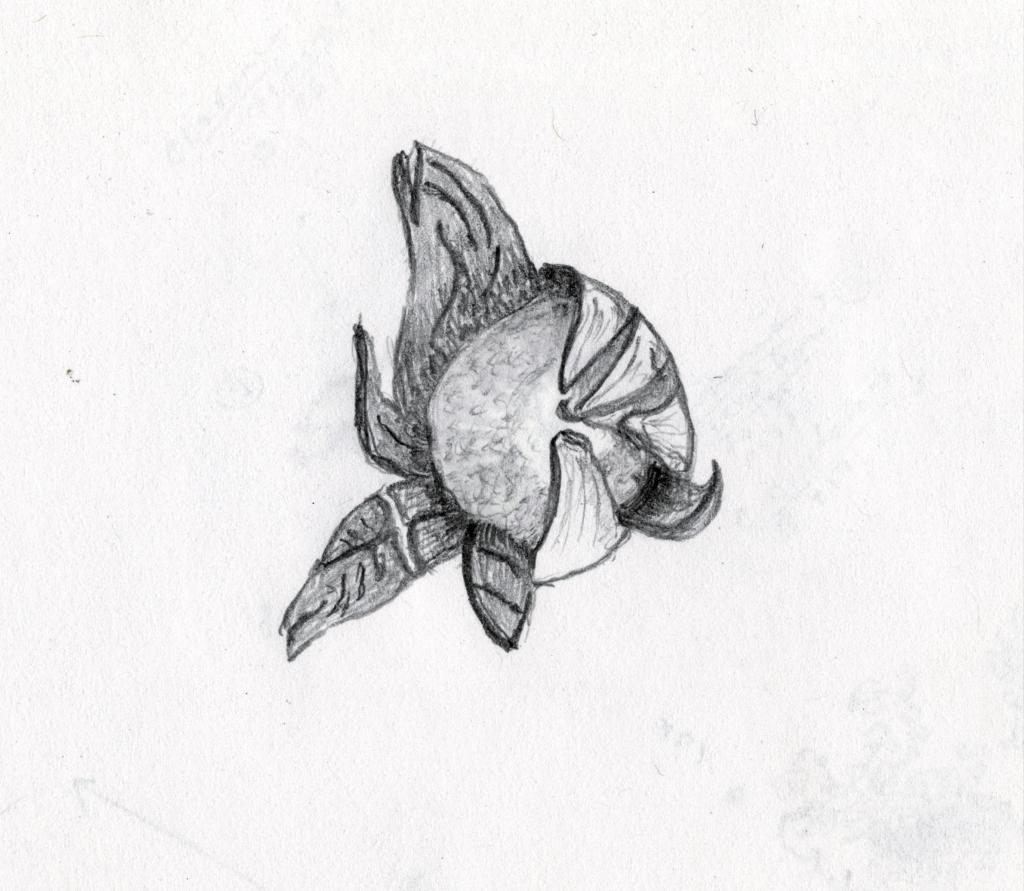
Additionally, scattered among the lichens and mosses are little patches of sand with earth stars which are a fungus.
Since Susan has become interested in (possible obsessed with) moths she has become more interested in lichens, as the caterpillars of quite a few feed on lichens. More about that in the future.
More tomorrow…
 Michael's Place