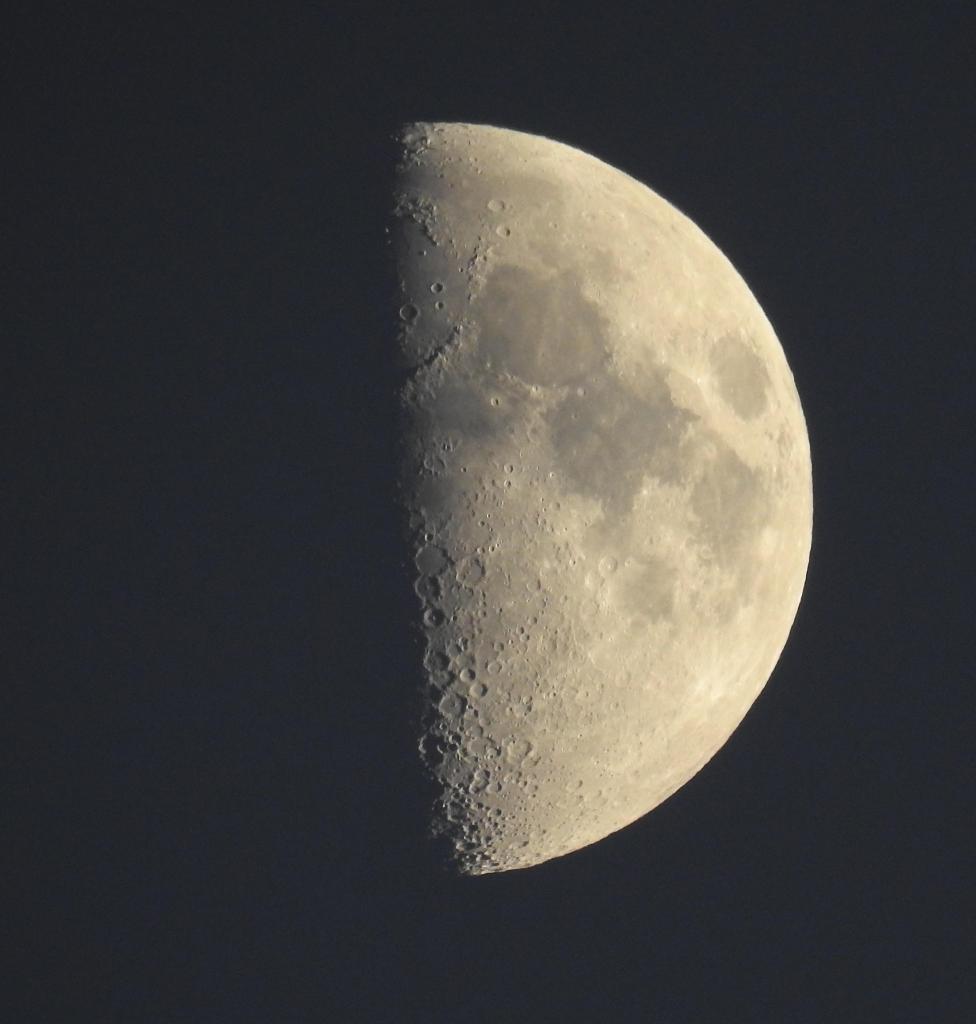
On clear nights the sky can let you sent into the recent past of distant parts of the Universe. I love zooming in on the Moon and seeing the distant craters at the dark horizon looming like high mountains, which they might be. When I look at the night sky at the appropriate times and can see Mercury, Venus, Mars, Jupiter and Saturn. It’s always fun looking at the planets with a scope and see the phases of Venus, the rings of Saturn and up to four of the Jovian moons. Last night I settled for a fleeting view of Venus after sunset on the western horizon and took the above photo of the Moon. In the middle of the night I got up and saw Ursa major (the Big Dipper) as well as the Milky Way directly overhead as it always is in the darkness of night. We are fortunate that the largest big city is Sault Ste. Marie, Ontario, 75 miles to the east, while the small town of Newberry is some 40 miles to the west. None of the light from either place affects the sky here. But I didn’t take too much time watching the sky, since the morning would take us in search of planrs and insects.
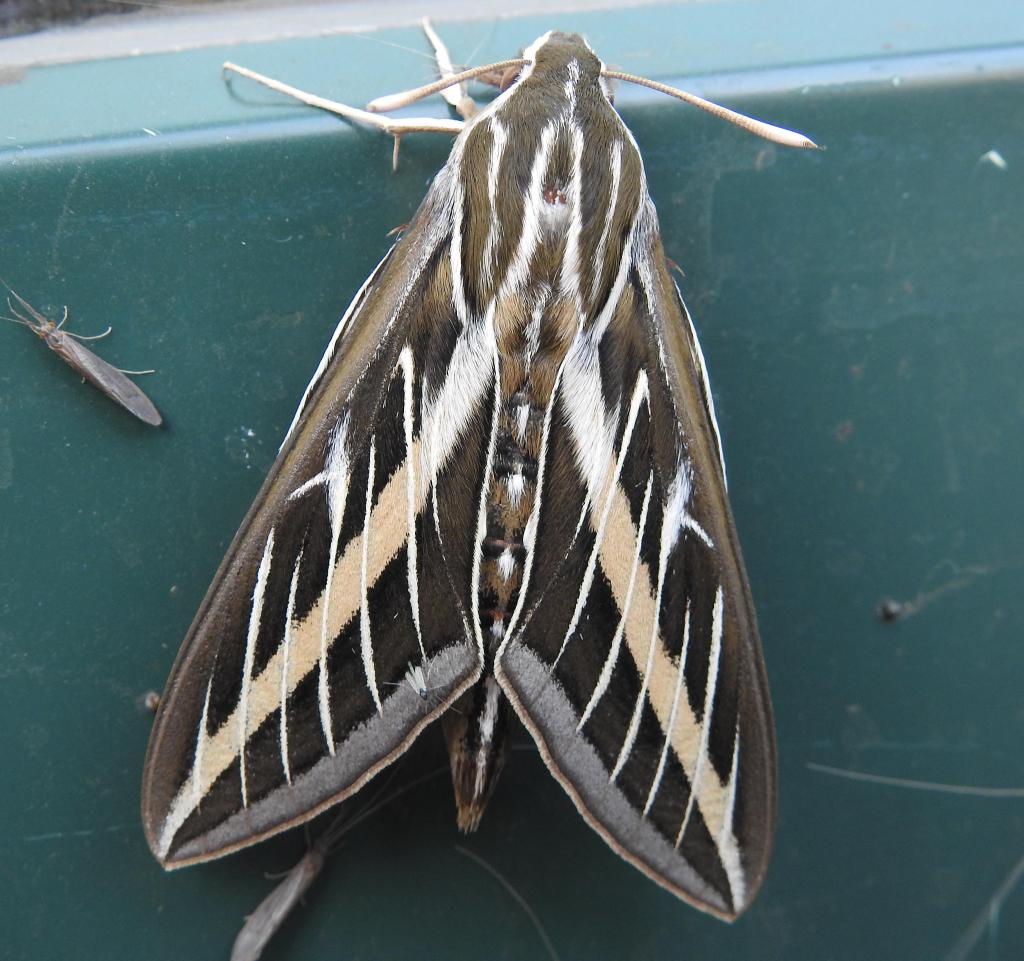
The morning started with us checking the moth at the lights outside. Not many surprises although a White-lined sphinx is always nice. At over 50mm it is impressive in both size and wing pattern.
After breakfast we headed off to Farm Truck Road in search of plants and insects we know occur there at this time of year. The road follows a dune ridge into a huge bog and attracts many species of plants and animals that can be hard to find elsewhere. We visit it in every season but winter when the road can be difficult, if not impossible to drive. The goal today was to try to find two favorite late summer insects.
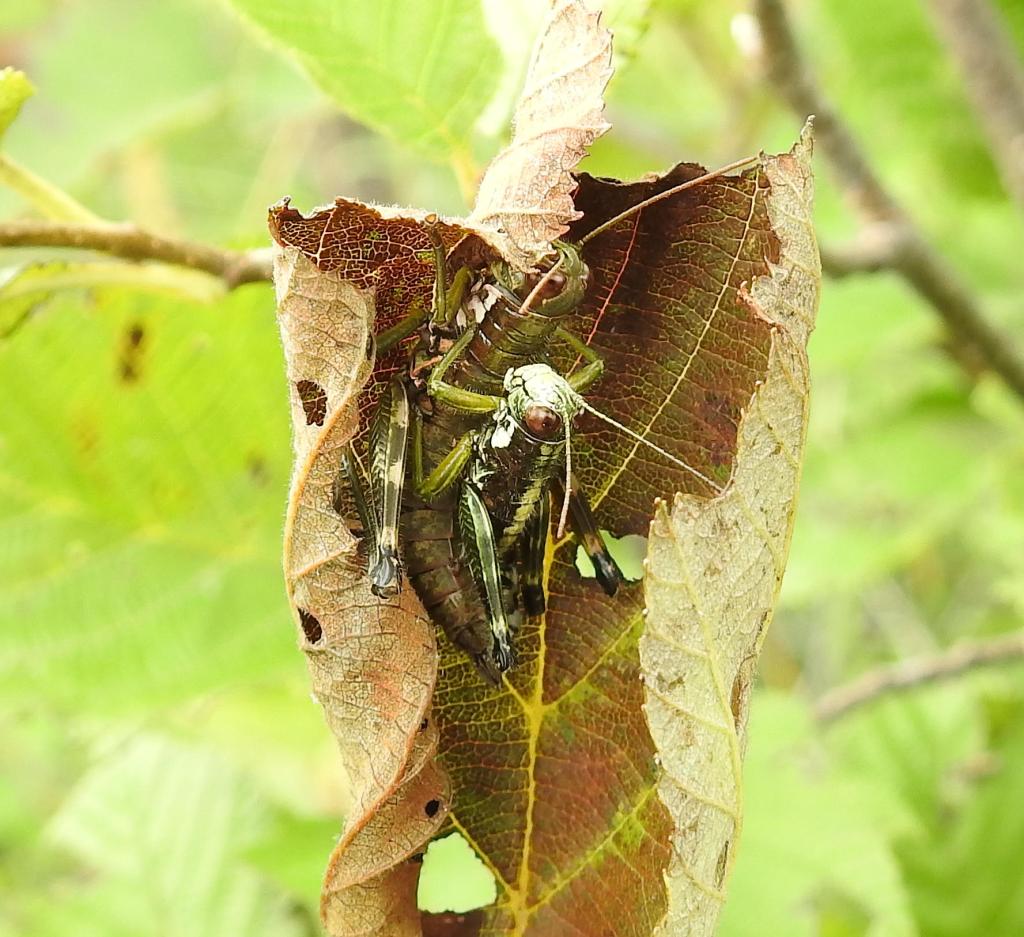
Years ago we were pursuing to differently colored grasshoppers, trying to figure out what they were. Finally, we got our answer when we found two mating in a similar position to those above. That was the first time we were able to find and identify Northern wingless grasshoppers.
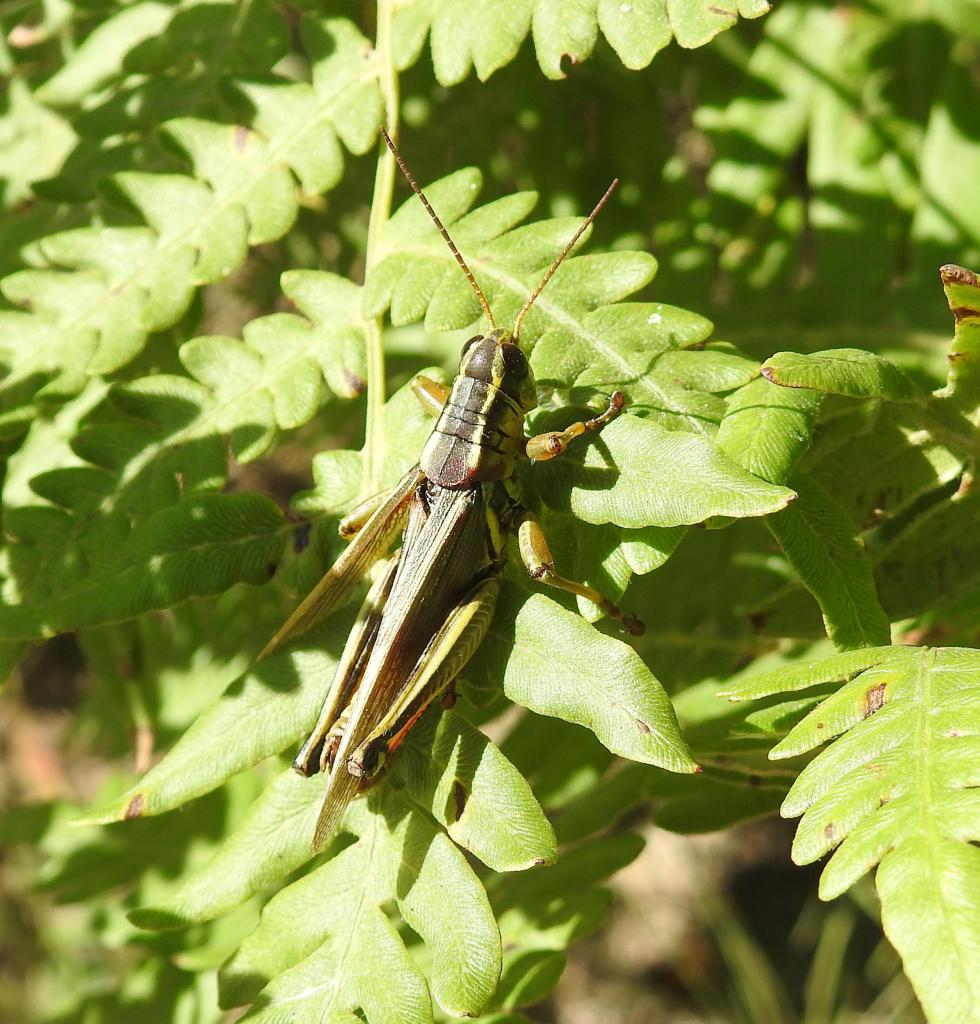
This year we could not find them, but were still excited to see a lot of Two-striped grasshoppers. Most were in the road and the brush sides.
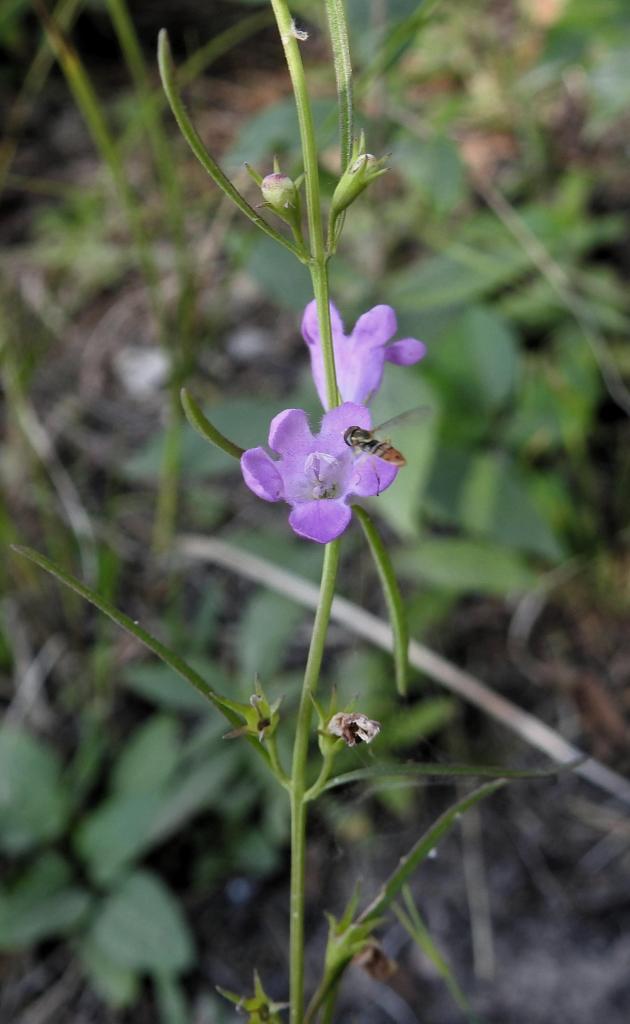
Walking along the road we found lots of interesting plants and insects. The Purple false foxglove (below) was along the road, but also at the only place to park for miles.
Along the road we find a few sedges in the genus Carex grading back into the bog. The Fringed sedge was too nice not to stop for a photo.

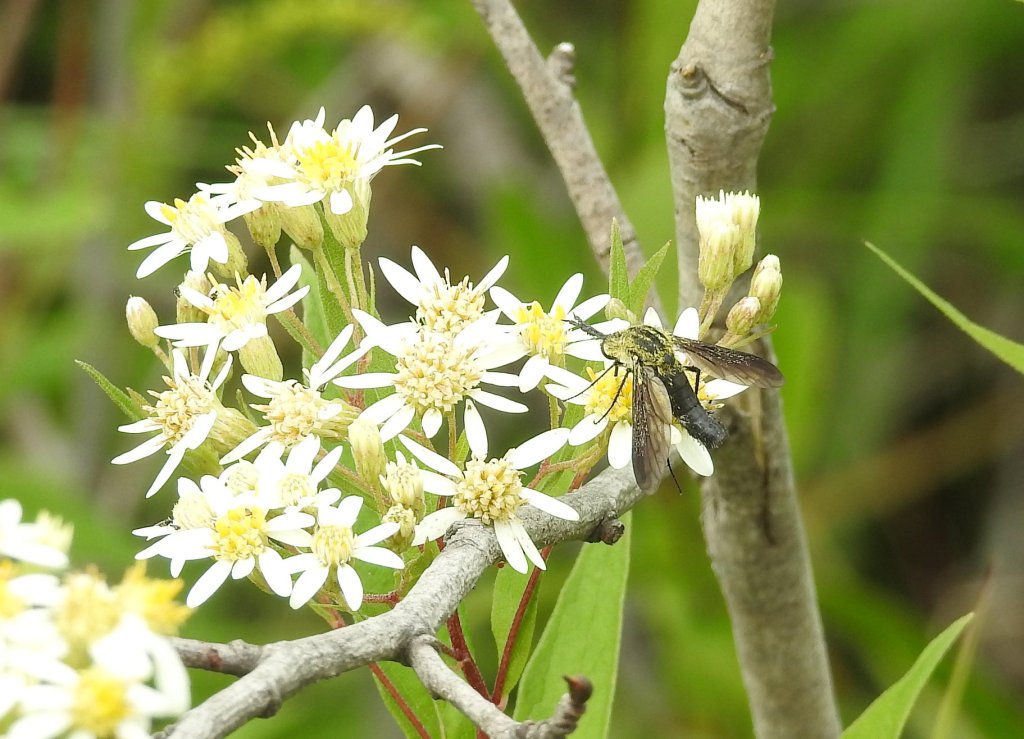
Continuing along the road we both scanned the vegetation, which is quite dry this year. It is so dry in fact that we did not encounter a mosquito! There were a lot of grasshoppers, butterflies, wasps and flies, many at the flowers of asters, goldenrods and yarrow.
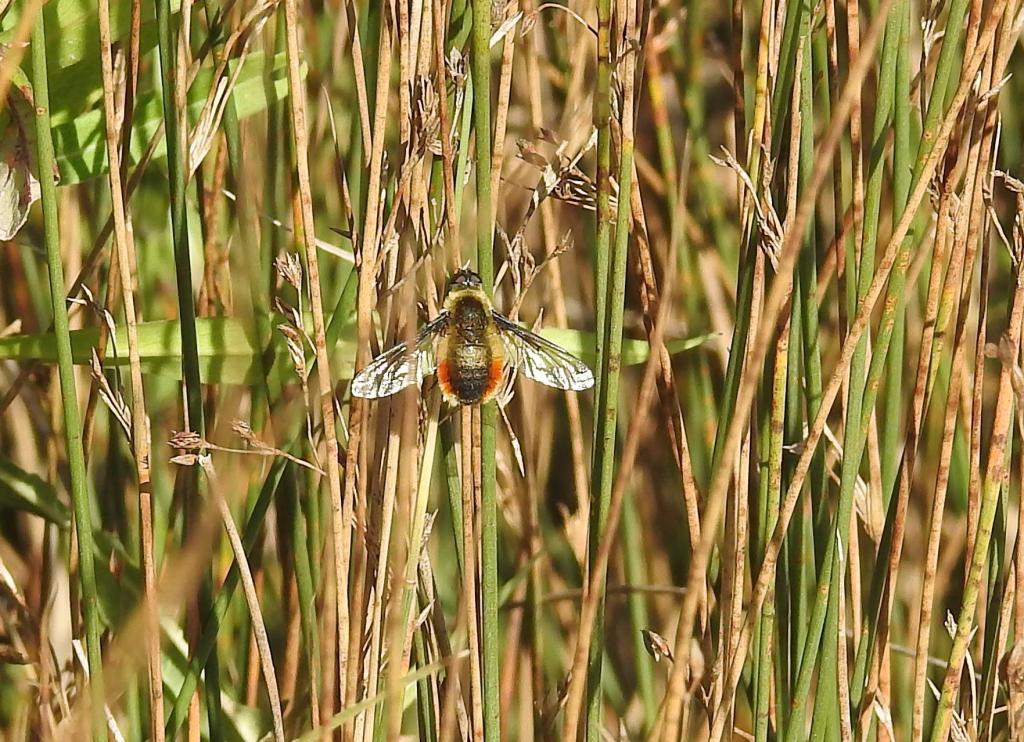
Finally I found one of the species I had hoped to find this morning. Lepidophora lutea, the Hunch-backed bee fly is perhaps my favorite fly; actually I have a lot of favorites among the flies. It’s always a treat when I find one, even a fleeting view. So I was pleased to have seen one before getting back to the car aand heading back to the cabin for lunch.
Tomorrow I’ll visit this week food adventure and the garden back in Ann Arbor.
 Michael's Place