When I went to Panama a few years ago, besides vaccinations for yellow fever, hepatitis-A, hepatitis-B and typhoid I had to take malaria medications. That only left three major insect-borne diseases to be concerned about – zika, dengue fever and chagas disease. Chagas is caused by a parasite found in the feces of Triatomine bugs (also called kissing bugs) – Trypanosoma cruzi. Chagas was easy to avoid, even when we stayed in a thatch-roofed open walled setting in a small village. The same mosquito nets that allowed to peacefully sleep at night kept the bugs away as well. In general we dealt with mosquitoes by using repellents and I wore long-sleeve shirts as well.
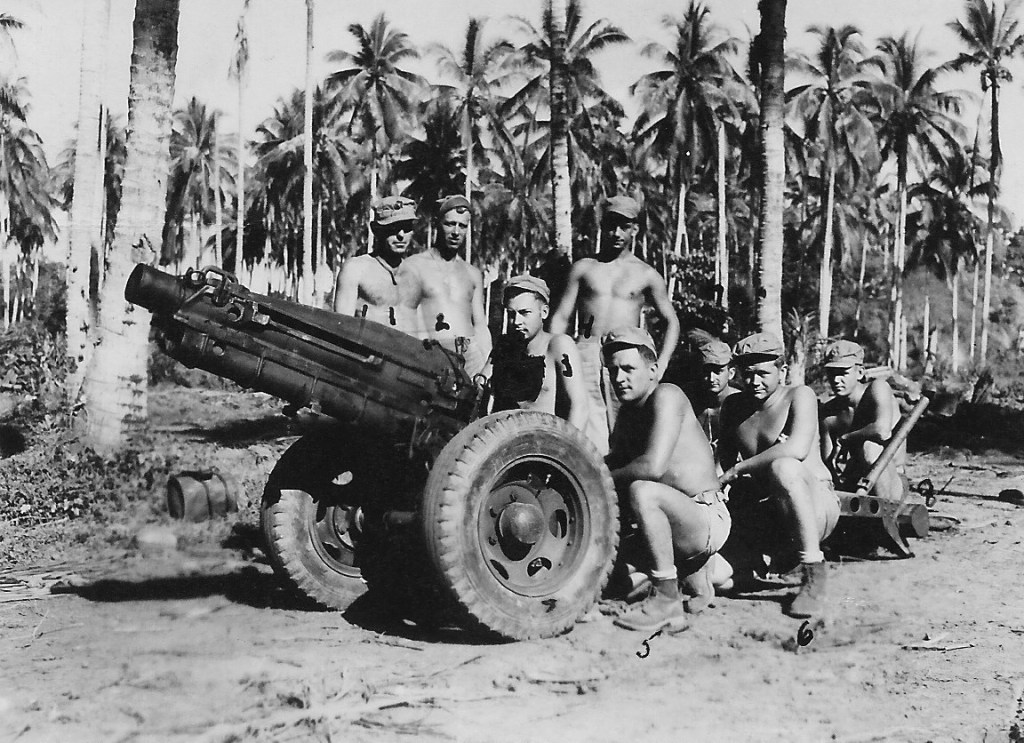
My father (Edward Kielb) caught dengue fever in the South Pacific during World War II. He was quite ill with the disease that ultimately led to his discharge. But for now back to malaria.
While we in the northern hemisphere do not concern ourselves with the threat of malaria, perhaps we should. Since before the Revolution (1776) until after the Civil War malaria was a major cause of death in the United States. Enslaved Africans, the major workforce, primarily in the southern states, were less at risk that their European owners. While suffering through the deaths of children dues to sickle cell disease, the gene that caused the disease offered a great degree of protection against malaria. This is why so many blacks descended from slaves still carry the gene for sickle cell. Primarily for all of those living in the US the solution was to eliminate the breeding areas for the Anopheles mosquito that carried the malaria parasite. Thus, by the early 1900s many wetlands had been cleared reducing mosquito habitat as well as habitat for many native plants and animals.
By the late 1900s endemic malaria had started to reappear, first in Florida, then other southern states. By the turn of the century tens of thousands of cases of malaria were occurring in the US. Why? As the climate is getting warmer with more rain in the south-east tropical diseases are moving north, with the northern movement of the mosquitoes. More and more tropical diseases will start to appear in the US as the climate continues to warm. Perhaps when yellow fever reaches the US people will take these diseases and climate change more seriously – as well as vaccinations.
But I want to talk about malaria and it’s impact on my family. As I said my grandfather had malaria and his father died of malaria.
Malaria outbreaks occurred sporadically in Italy not only in 1901 but well before that. Apparently one outbreak occurred in Rome in 1623. Pope Gregory XV had just died and at the Papal conclave to select the next pope eight Cardinals and 30 church officials died from an outbreak of malaria, even the newly elected Pope Urban VIII was extremely ill (the source of this material is from “Historical epidemics: Malaria in the Vatican” by Stephanie Landsem). This lead to the use of quinine for the first time in the Europe, it was already used in Central and South America. Finally in 1846 the Italian physician Giovanni Rason discovered the parasite responsible for malaria.
So, I am here today, writing about malaria as the result of an outbreak of malaria in Rome, an Italian physician, and the death of an Italian ancestor.
More tomorrow, and who knows how I will wrap up the week, anticipating the weekend. Perhaps something to do with books.
 Michael's Place